As part of our commitment to giving back to our community and the environment, we are delighted to be supporting Kernow Conservation https://www.kernowconservation.org/.
Kernow Conservation are a non-profit community interest company who work in partnership with other conservation organisations, landowners and local businesses to restore wildlife and biodiversity in Cornwall.
They are involved in several projects throughout Cornwall which broadly fall into habitat restoration and management, species reintroductions, and biodiversity monitoring.
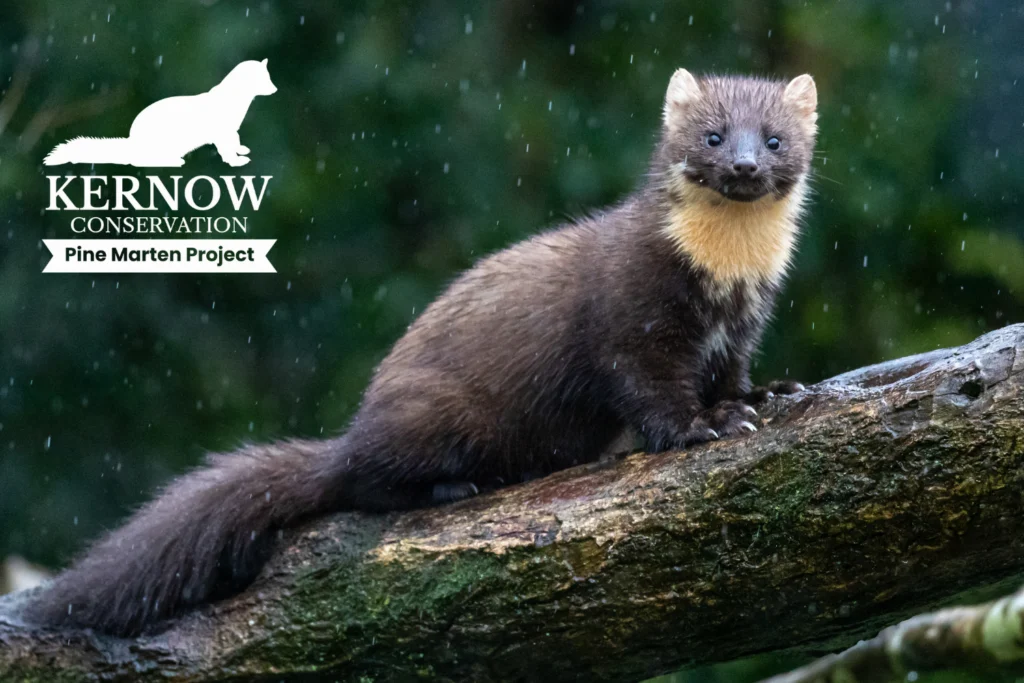
As part of Kernow Conservations long term vision of a connected, wildlife-rfichar Cornwal, where native species are able to thrive alongside people, their next project is the re-introduction of Pine Martens to Cornwall.

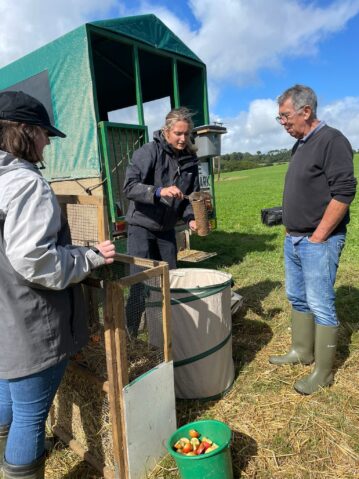
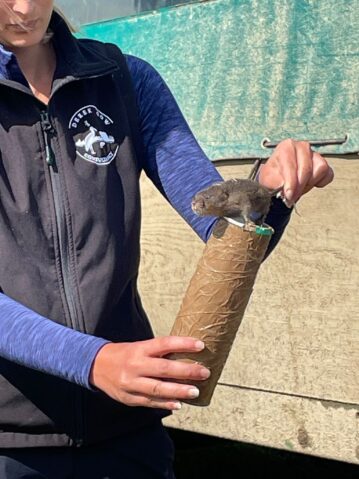
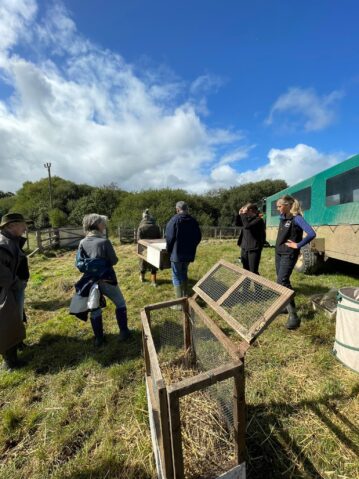
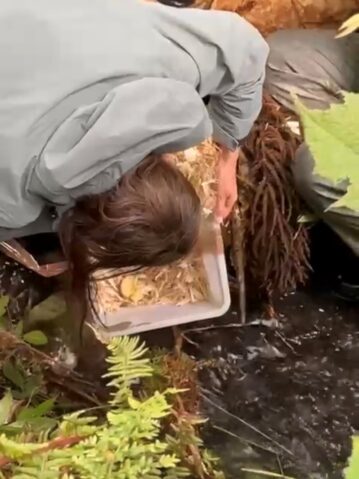
They are most well known for their work restoring the UK-endangered water voles in Cornwall through carefully managed re-introductions. In Cornwall, the water vole became extinct, with its last reported sightings in the 1990s, and did not return until the first reintroductions were made in Bude in 2014. Kernow Conservation started making introductions in 2022 in the south of Cornwall, and the water voles of the River Kennal have now established a remarkable stretch of habitat with activity stretching from close to the source of the river all the way to where it becomes tidal. This is a fantastic achievement, but in all of Cornwall’s 130+ river valleys, water voles are still only found in five of them so there is plenty of work still to be done. When water voles are introduced, they graze on over 227 different species including, rushes, grasses and berries and the architecture of their burrows create a drying effect on the soil and enhances the activity and number of microbes. Without water voles, wetlands and other water-adjacent areas become less biodiverse habitats with more of the same dominating grass species.

Kernow Conservation are also working to bring the Osprey back as a nesting bird in Cornwall. Whilst Ospreys do pass through Cornwall each spring and autumn, stopping over at our reservoirs and estuaries catching fish which exclusively make up their diet as they migrate to their wintering grounds in West Africa, these birds used to breed in Cornwall. They disappeared across the whole of the UK in the early 20th Century due to hunting, egg collecting and the loss of suitable nesting trees and no Osprey’s have been recorded nesting in Cornwall since as far back at the 18th Century. Osprey nests are large structures constructed on the tops of tall trees and usually made of sticks. Nests are often used inter-generationally, however, due to deforestation, many of these large trees and nests have been lost. Artificial nest platforms have been a vital part of the global recovery of the Osprey, and in the UK, have been used to success in several locations. Kernow Conservation are in the process of installing nesting platforms in suitable locations across Cornwall in the hopes of attracting breeding Ospreys during the coming migrations.

With a nature-first approach and assessing existing habitats, Kernow Conservation started their first wildlife garden project, Community Wildlife Garden in Ponsanooth, in March 2024. The project aims to educate, engage and empower volunteers from the local community to enjoy, maintain and, eventually, take ownership of their local wild space. The garden was originally established around a decade or so ago but had not been maintained so was overrun with brambles, grasses and hogweed. There was a pond but this was in a poor state of repair and wasn’t holding water properly. The garden was dominated by a single species of grass and a willow tree, the roots of which had become a problem. During 2024, with the help of volunteers, they have cleared, and planted a variety of plants, flowers and shrubs such as lavender, witch hazel, wintersweet, teasel, foxgloves sweet woodruff and more that will help to attract and support a whole host of wildlife and pollinators, installed benches and have begun establishing a wildflower meadow area. The next phase will be to remove the old pond liner, expand the pond, completely remove the troublesome willow tree, plant more shrubs and trees such as oak, apple, rowan, and alder buckthorn, and create a dead hedge border between the meadow and woodland areas with the waste.
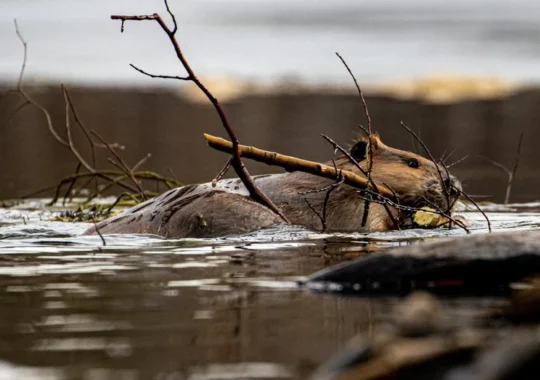
Their Beaver project launched in 2025, works with landowners to lay the foundations for future licenced beaver releases in Cornwall. After being hunted to extinction in the UK 400-500 years ago, beavers are now making a comeback, with organisations like the Cornwall Beaver Project, the Cornwall Seal Sanctuary, and the Lost Gardens of Heligan leading efforts to establish enclosed colonies and showcase their ecological benefits. Historically persecuted for their valuable pelts and castoreum, beavers were also wrongly blamed for declining fish stocks. In reality, their dams create crucial spawning pools that actually improve fish populations, meaning human activity, not beavers, was responsible for the historic loss of fish. As renowned "ecosystem engineers," beavers create habitats that support a wide range of wildlife, including amphibians, birds, fish, and small mammals.
The reintroduction of beavers will compliment Kernow Conservations other projects. Beavers act as ecosystem engineers by constructing dams and digging channels, which create ideal habitats for water voles. This relationship is mutually beneficial, as water vole droppings subsequently provide essential nutrients that nourish mycorrhizal fungi networks and promote plant growth around beaver structures.
Beavers boost fish populations and create hunting grounds for ospreys by forming ponds behind their dams. Furthermore, ospreys utilise the standing deadwood around these aquatic habitats as vantage points for hunting or as platforms for building their nests.
As natural “ecosystem engineers,” beavers bring immense, year-round benefits to the landscape. By constructing dams, they create wetlands that act as vital natural flood defences during wet winters. When dry spells hit, these same ponds hold and release water slowly, acting as a drought buffer. Beyond water management, their habitats improve water quality by trapping sediment and using bacteria to filter out harmful agricultural pollutants.